
Jacob and Esau: The Stolen Blessing
Genesis 27
Some stories in the Bible feel painfully human. They show us families that are far from perfect—homes marked by favoritism, fear, rivalry, and wounds that last a lifetime. Genesis 27 is one of those stories. It is a chapter filled with emotion: an aging father, a desperate mother, two divided brothers, and a blessing that cannot be undone. Yet even amid human sin and brokenness, God works out His perfect plan.
This story helps us see the truth about ourselves—and the truth about God. We fail, but He remains faithful. We make choices that harm others, but His purposes never fall apart. His promises stand firm, even when His people do not.
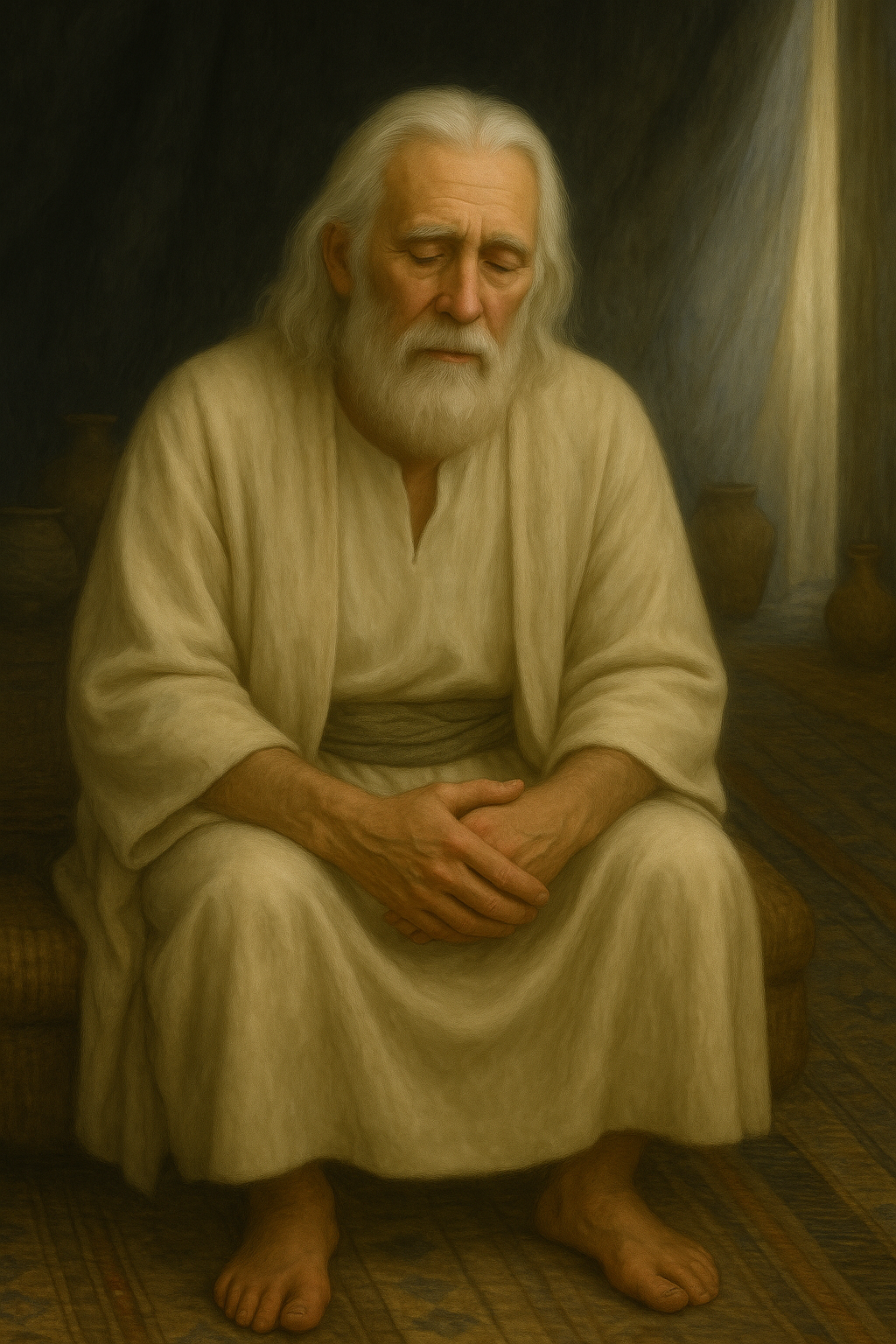
Isaac is old, his eyesight almost gone. The quiet strength of his youth has faded, and he now depends on others for nearly everything. Yet one desire remains strong: he wants to bless his oldest son, Esau, before he dies.
The blessing was a profoundly significant act in ancient culture. It was not a casual prayer—it was a legal, spiritual, and prophetic declaration that shaped the family's future. Once spoken, it could not be taken back. A father’s blessing carried covenant authority.
But this family had a secret tension. Long before the twins were born, God told Rebekah, “The older shall serve the younger.” Jacob—not Esau—was chosen by God as the covenant bearer. Isaac knew this prophecy. Yet he still planned to bless Esau privately, without Rebekah or Jacob present. His favoritism had blinded him as deeply as age had dimmed his eyes.
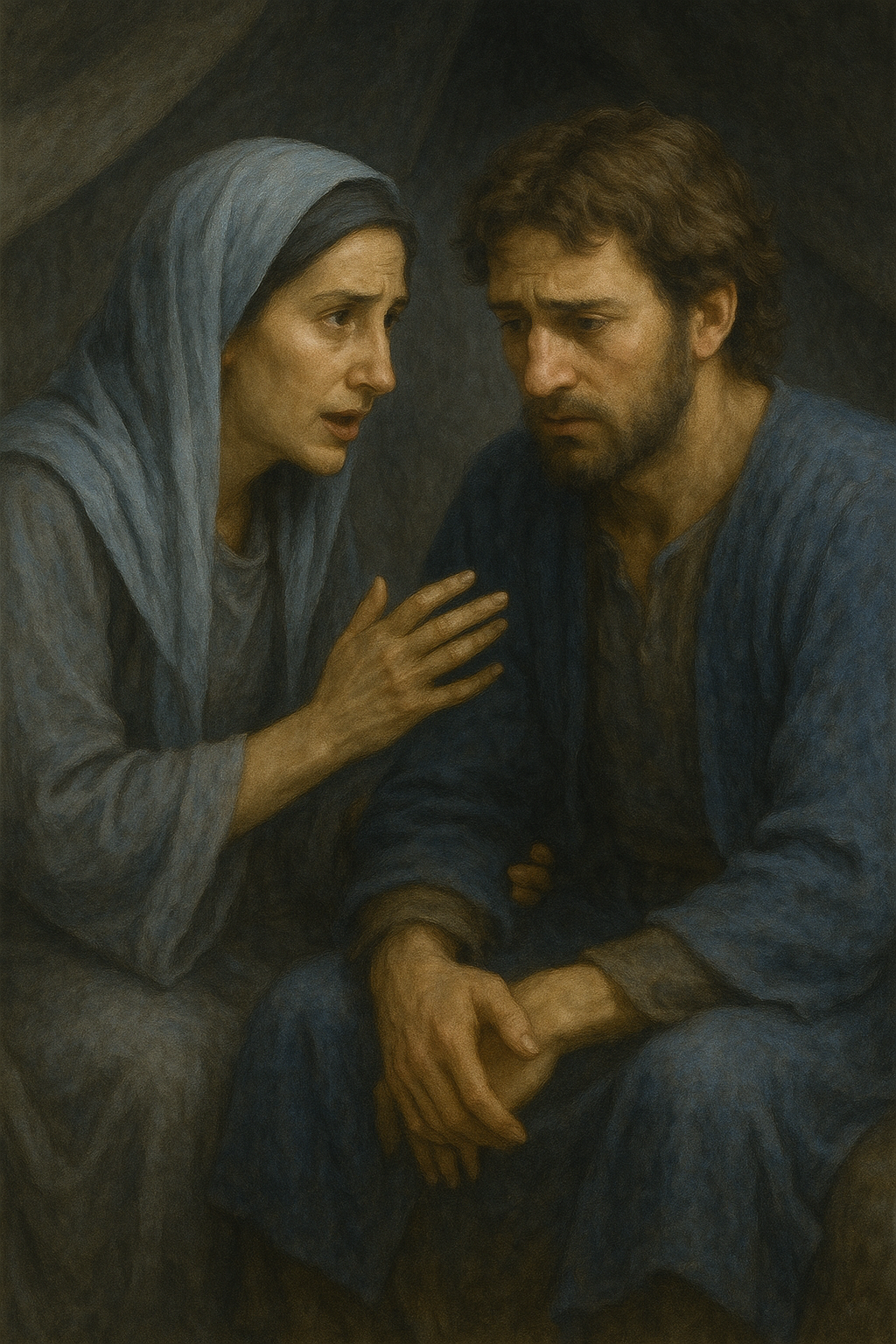
Rebekah overhears Isaac’s plan, and her heart tightens. She believes the blessing is slipping away, and fear begins to rise. She remembers God’s prophecy, and she also remembers Esau selling his birthright as if it meant nothing. She cannot imagine Esau as the family's spiritual leader.
But instead of trusting God’s promise, Rebekah tries to “help” God through her own plan. She sends for Jacob and tells him exactly what Isaac asked of Esau. Her voice is urgent; her plan is bold. Jacob must disguise himself as his brother.
Jacob hesitates, not because it is wrong, but because it might fail. He fears a curse instead of a blessing. Rebekah insists, promising to bear the curse herself if something goes wrong. Her desperation is heartbreaking. She loves Jacob deeply, but in her fear, she pulls him into sin.
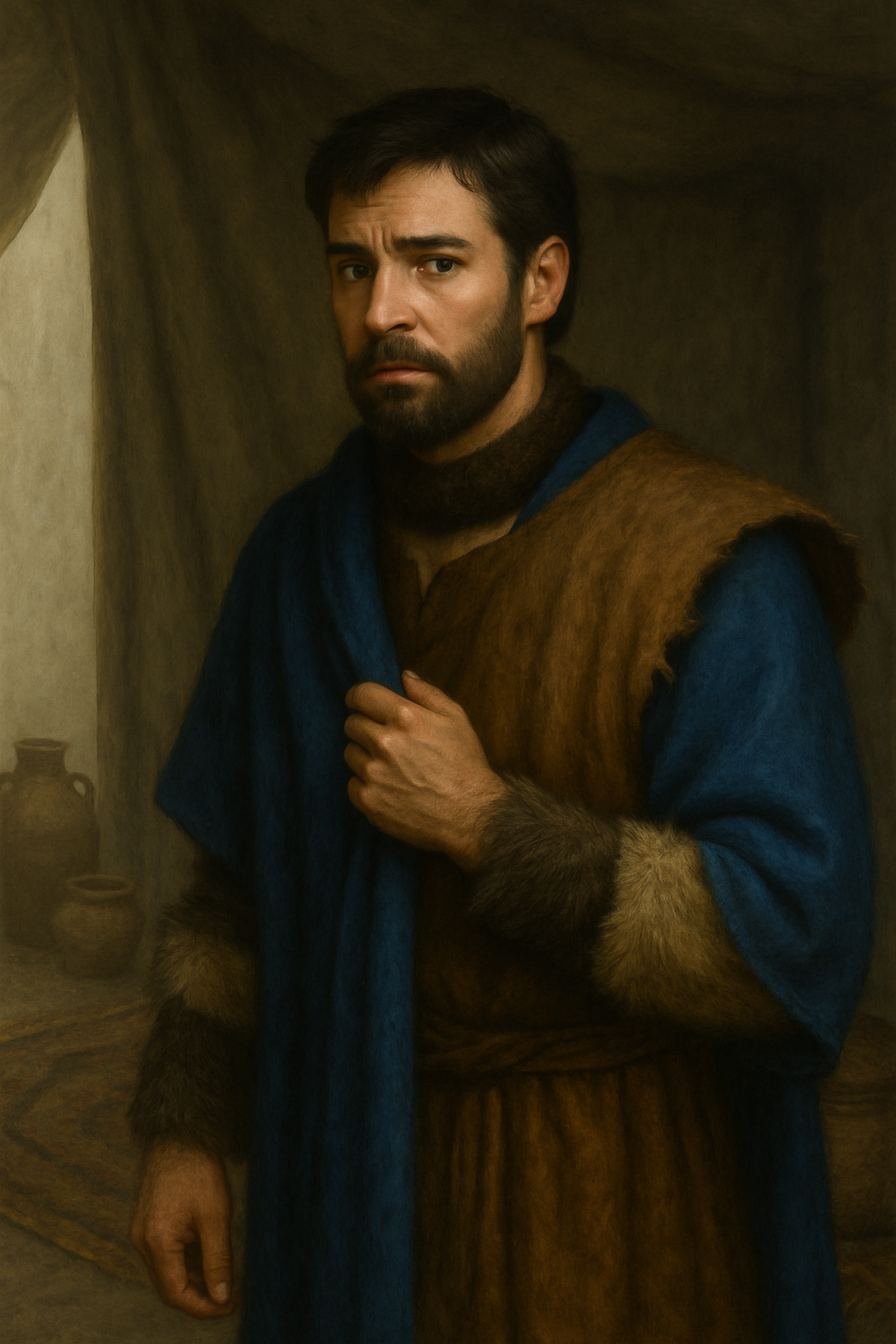
Because Isaac was nearly blind, he relied on touch and smell more than sight. Jacob puts on Esau’s garments so he will smell like the outdoors, and Rebekah wraps goat skins around his hands and neck so Isaac will feel the coarse hair that Esau was known for. It is a carefully planned disguise, explicitly designed for a father who could no longer see clearly.
Jacob enters Isaac’s tent, and Isaac is immediately confused.
The voice sounds like Jacob, but the hands feel like Esau. Isaac asks question after question, trying to make sense of the jumble of clues his weakened senses provide. Three separate times, Jacob lies, reassuring his father that he is Esau. Standing before Isaac, Jacob pretends to be someone he is not—receiving something God intended for him, but in a way God never approved.
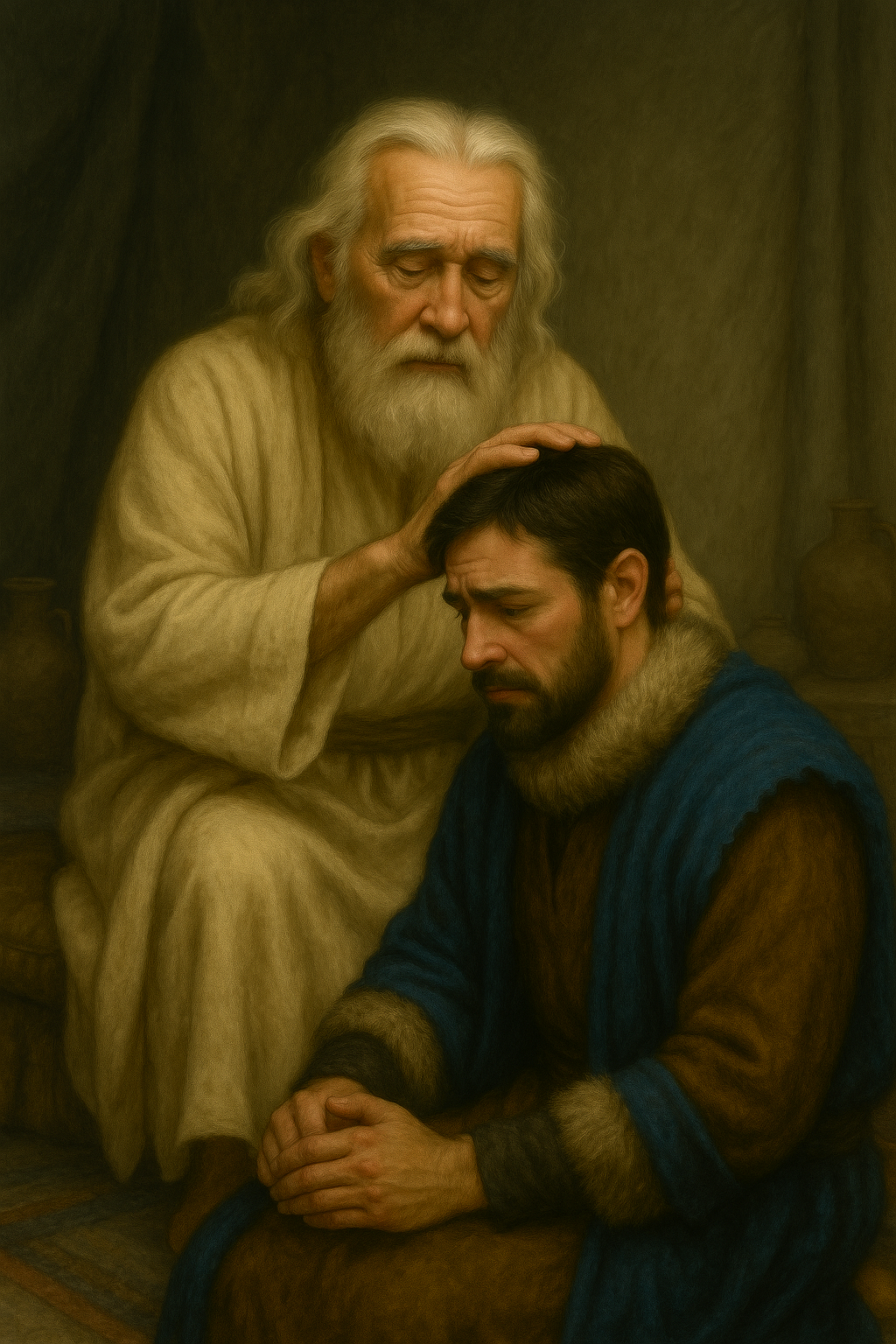
Isaac finally eats the meal, reaches out his trembling hands, and speaks the blessing. By the time the last words leave his lips, the future of the family has changed forever.
Therefore, may God give you
Of the dew of heaven,
Of the fatness of the earth,
And plenty of grain and wine.
Let peoples serve you,
And nations bow down to you.
Be master over your brethren,
And let your mother’s sons bow down to you.
Cursed be everyone who curses you,
And blessed be those who bless you!” (Genesis 27:28,29 NKJV)
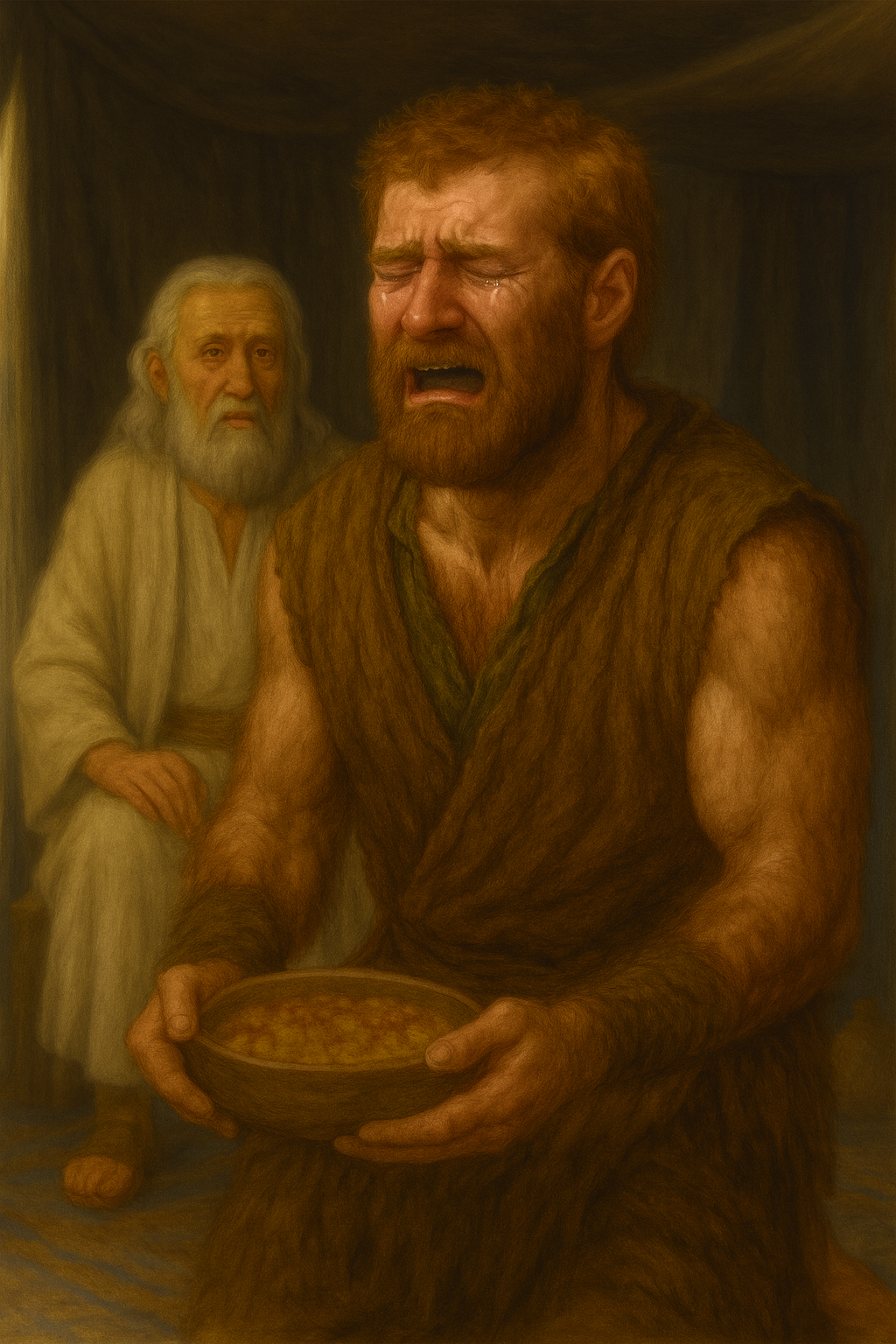
Esau returns with his freshly prepared meal, full of excitement and pride. But when he enters the tent, Isaac’s face turns pale. Scripture says Isaac “trembled exceedingly”—a violent physical reaction. He knew he had fought against God’s prophecy. He knew God had overruled his plan.
Esau cries out with a grief so deep the tent must have shaken. His voice is raw and agonizing. “Bless me—me also, O my father!”
The sorrow is almost unbearable. Isaac can give him a blessing, but not the blessing, because the covenant line is already spoken over Jacob. Esau’s pain is real, but so are the consequences of his earlier choices. He had treated his birthright lightly. Now the blessing he longed for is gone.
The house is broken. The brothers are divided. Rebekah’s plan has worked, but her heart is shattered—she will never see Jacob again. And Jacob, carrying the weight of his deception, must flee for his life.
Human sin leaves scars. But God’s plan remains unbroken.
When everyone in the story fails, God remains faithful.
When Isaac resists God’s plan, God overrules.
When Rebekah manipulates, God is not defeated.
When Jacob lies, God’s covenant does not collapse.
When Esau rages, God continues His promise.
This does not excuse anyone’s behavior. The Bible never calls deception “good.” But it shows us something deeper: God is so sovereign, so powerful, so faithful, that human failure cannot stop His purposes.
Through Jacob—imperfect, fearful, and far from heroic—would come the nation of Israel, the twelve tribes, and eventually…the Messiah. Grace is bigger than sin. God’s plan is stronger than human choices.
This story sets the stage for a beautiful truth. Jacob deceived his father to receive a blessing that he did not honestly earn. But Jesus is the exact opposite.
Jacob pretended to be the firstborn son. Jesus is the rightful Firstborn of all creation.
Jacob disguised himself to gain a blessing. Jesus comes in truth, holiness, and purity.
Jacob took a blessing at the cost of family peace. Jesus freely gives His Father’s blessing to us—at the expense of His own life.
Jacob grasped for what was not his. Jesus graciously shares what only He deserves.
And that is the message of Genesis 27:
Even in human failure, God works out His perfect plan—a plan that leads us straight to Jesus, the Blessed Son who blesses us forever.
TEACHING OUTLINE FOR GENESIS 27
Includes all Scripture quoted in NKJV.
I. Isaac’s Condition and Intentions
A. Isaac’s Old Age and Near Blindness
“Now it came to pass, when Isaac was old, and his eyes were so dim that he could not see…” (Genesis 27:1, NKJV)
B. Isaac’s Plan to Bless Esau
Isaac calls Esau secretly and says:
“Make me savory food…that my soul may bless you before I die.” (Genesis 27:4, NKJV)
II. Rebekah’s Plan and Jacob’s Hesitation
A. Rebekah Hears and Acts
She repeats Isaac’s instructions to Jacob (Genesis 27:6–10).
B. Jacob Fears Being Caught
“I shall seem to be a deceiver to him, and I shall bring a curse on myself.” (Genesis 27:12, NKJV)
C. Rebekah’s Response
“Let your curse be on me, my son.” (Genesis 27:13, NKJV)
III. Cultural Background: Blessing and Birthright
A. The Blessing Was Legally Binding
Isaac cannot take it back once spoken.
B. The Blessing Conveyed Leadership and Inheritance
The father spoke a prophetic future over his family.
C. Jacob’s Disguise Targeted Isaac’s Blindness
Goat skins to match Esau’s hairy arms
Esau’s clothing with its outdoor scent (Genesis 27:15–17)
IV. Isaac Blesses Jacob
A. Isaac’s Suspicion
“The voice is Jacob’s voice, but the hands are the hands of Esau.” (Genesis 27:22)
B. The Blessing (NKJV)
“Therefore may God give you of the dew of heaven,
Of the fatness of the earth…
Let peoples serve you…
Cursed be everyone who curses you,
And blessed be those who bless you!”
(Genesis 27:28–29)
V. Esau’s Anguish and the Family Fracture
A. Esau’s Heartbroken Cry
“When Esau heard the words of his father, he cried with an exceedingly great and bitter cry, and said to his father, ‘Bless me—me also, O my father!” (Genesis 27:34)
B. Isaac Confirms Jacob’s Blessing
Then Isaac trembled exceedingly, and said, “Who? Where is the one who hunted game and brought it to me? I ate all of it before you came, and I have blessed him—and indeed he shall be blessed.” (Genesis 27:33)
VI. God’s Providence Despite Human Sin
God’s prophecy to Rebekah stands (Genesis 25:23).
Human sin cannot overturn divine purpose.
VII. Focus on Jesus — The True Blessed Son
Jesus receives the Father’s blessing in truth.
He shares His inheritance with us (Romans 8:17).
He heals what sin destroys.
