
Jacob’s Marriages: A Household Filled with Struggle
Genesis 29–30
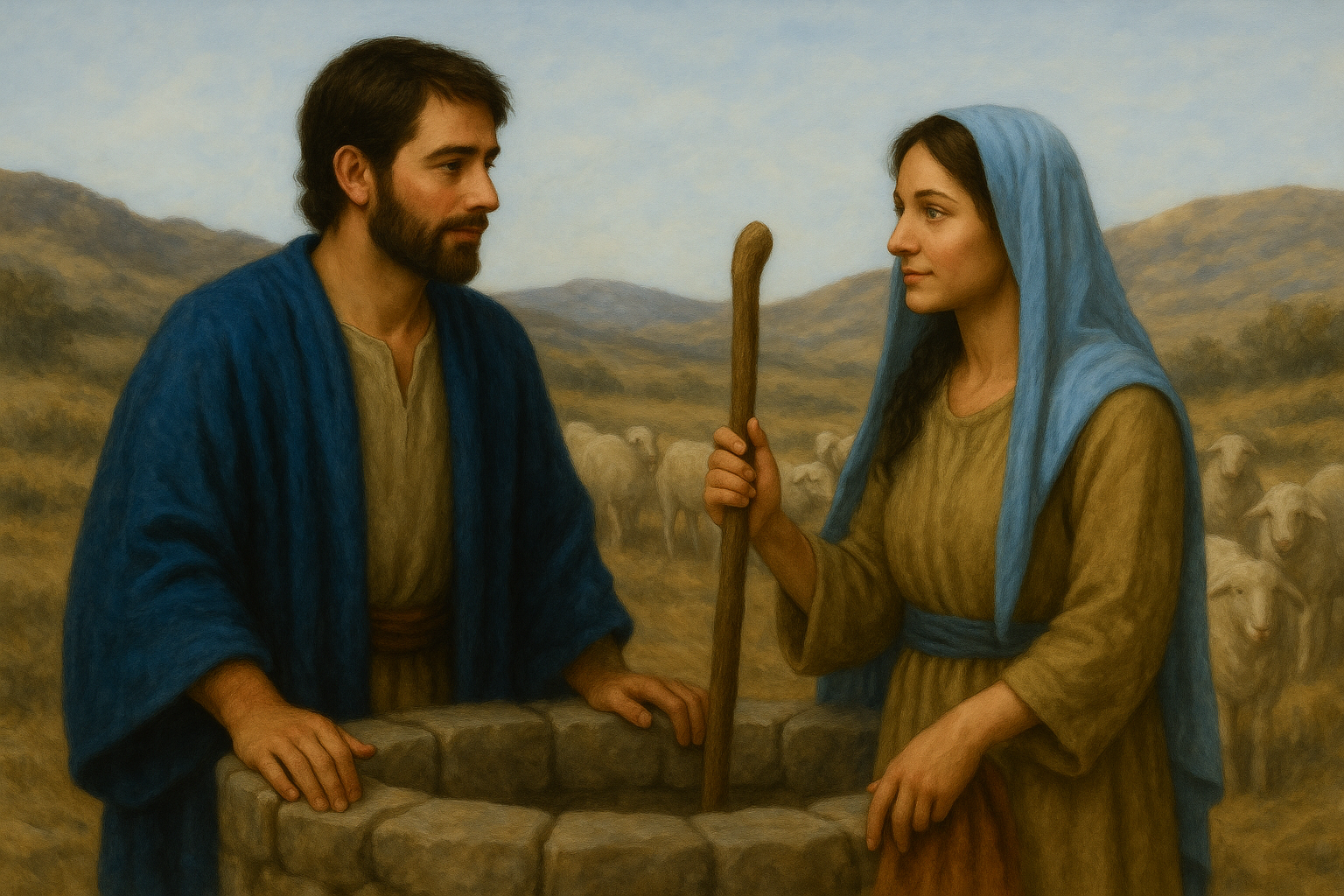
Jacob arrived in Haran with a mix of exhaustion and hope. He had left his home behind—running from Esau’s anger—and carried the weight of his past choices. Yet he also took something new: a sense that God was guiding him forward. After the long desert journey, he stopped at a well outside the city where several shepherds had gathered.
As he asked the men if they knew a man named Laban, a young woman approached with her father’s flock. Her name was Rachel, and Jacob was immediately drawn to her. Scripture describes her as beautiful, but her gentle presence and kindness made an even more profound impression. Jacob rolled away the stone and watered her sheep—a generous act of strength—and when Rachel learned he was family, she ran to tell her father.
Laban welcomed Jacob warmly, and Jacob soon agreed to work seven years in exchange for Rachel’s hand in marriage. Those years, Scripture says, “seemed only a few days to him because of the love he had for her” (Genesis 29:20, NKJV). Jacob’s heart was full of hope.
At last, the wedding day arrived. A great feast was prepared—what Scripture calls a mishteh, a drinking feast filled with music, dancing, celebration, and wine. It was the kind of joyful gathering that marked a new beginning in ancient times. But beneath the celebration, Laban concealed a painful plan.
When night fell, with Leah heavily veiled and the effects of the feast still lingering, Laban brought Leah, not Rachel, into the wedding tent. Jacob, unaware of the deception, believed he was with the woman he had served for seven years to marry.
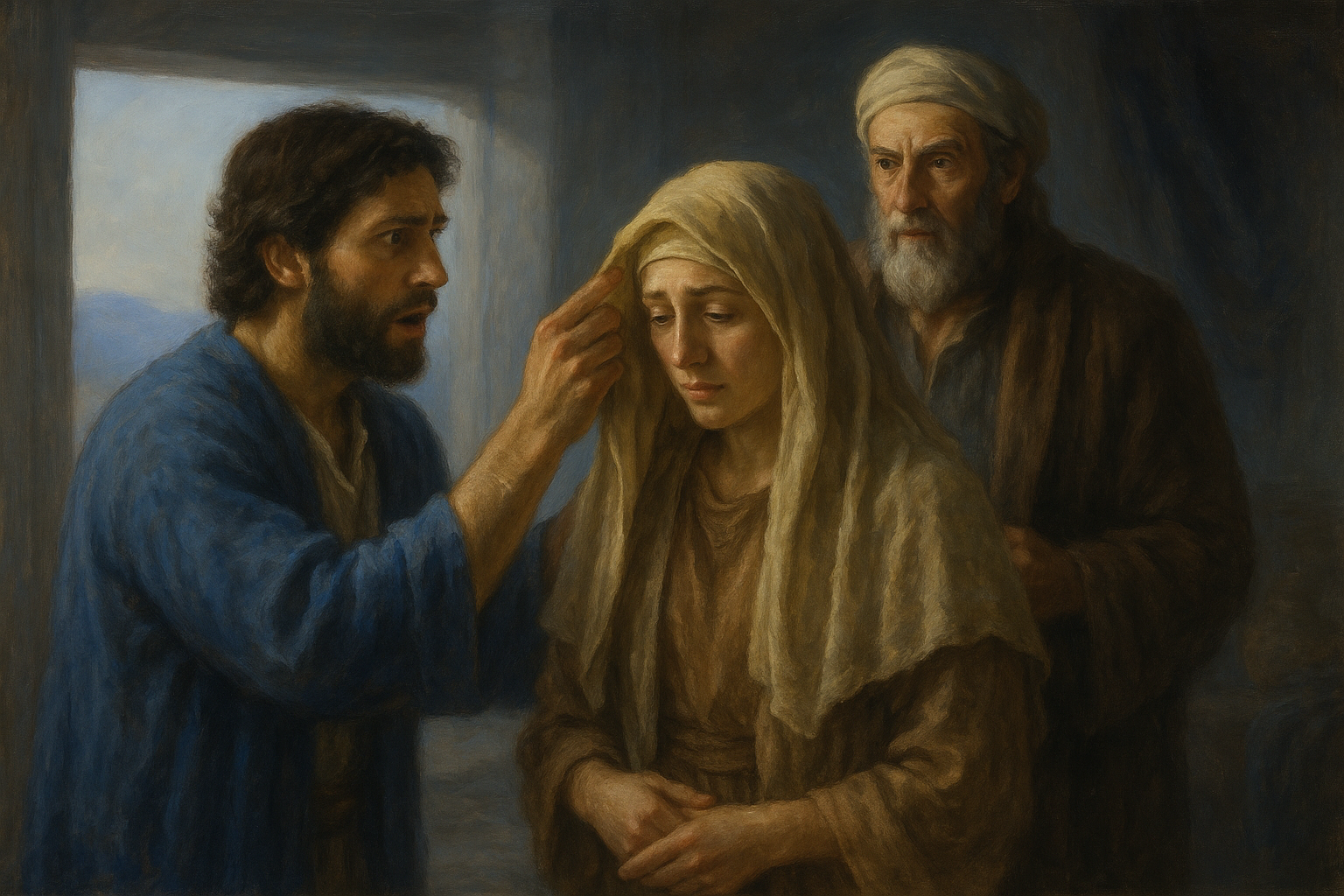
At dawn, everything changed. Jacob awoke and discovered the truth.
He was shocked and heartbroken. Rachel was devastated. Leah was thrust into a marriage she had not chosen. The entire family was thrown into turmoil. When Jacob confronted Laban, Laban excused his deception by appealing to local custom—that the older daughter must be married first.
But this was not a matter of custom; it was a matter of deceit.
And in this moment, Jacob experienced something painfully familiar.
Years earlier, Jacob had deceived his father and brother to take the blessing meant for Esau. Now, through Laban’s treachery, Jacob felt the sharp sting of being deceived.
It was a hard lesson, but an important one.
God often uses painful moments to shape our hearts.
He was preparing Jacob for the man he would become—a leader, a father, and the one through whom a nation would rise.
Laban allowed Jacob to marry Rachel as well, but only after Jacob agreed to serve another seven years. Jacob agreed, not because he supported the situation, but because he loved Rachel deeply.
This was not God’s design for marriage.
It resulted from cultural custom, human sin, Laban’s manipulation, and a deep, dysfunctional family dynamic.
But God can work even in the middle of human brokenness.
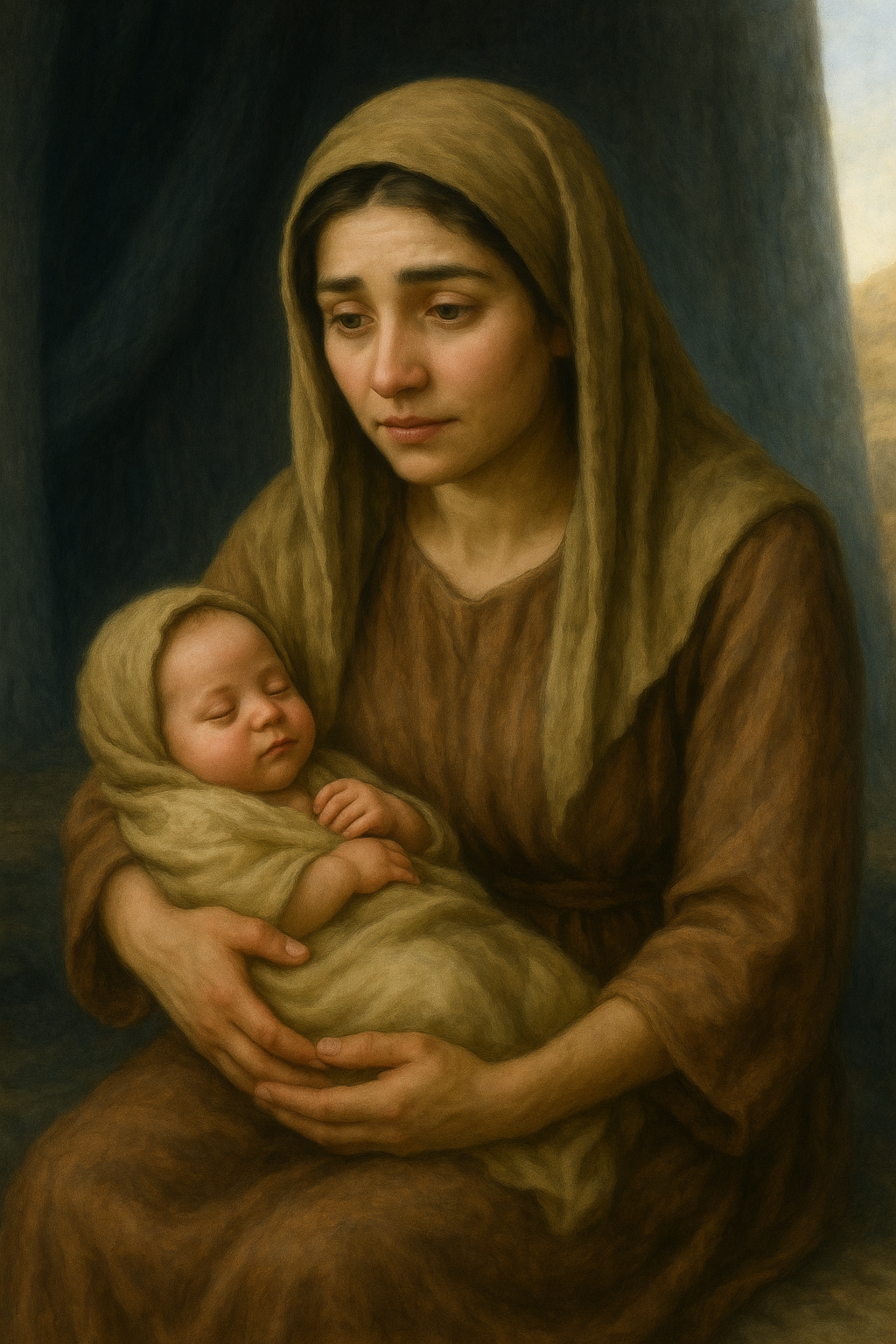
Leah, now Jacob’s first wife, struggled deeply. She knew Jacob loved Rachel, not her. Yet Scripture says:
“When the Lord saw that Leah was unloved, He opened her womb.”
— Genesis 29:31
Leah gave birth to Reuben, then Simeon, then Levi, and then Judah. Each child’s name carried a hope that Jacob would see her, hear her, and love her. Yet her heart often remained aching.
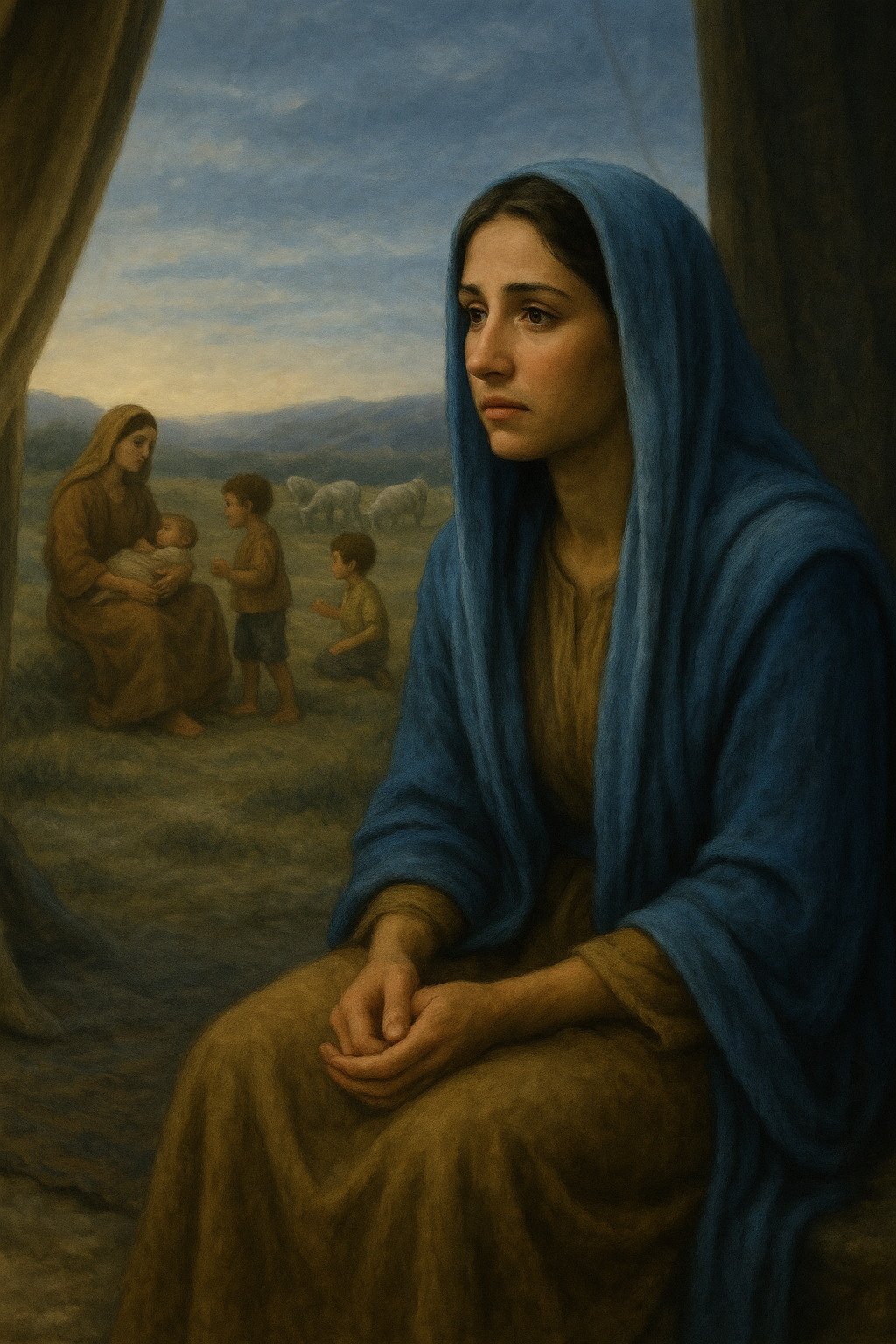
Rachel, on the other hand, watched her sister bear child after child while she herself remained barren. Her longing grew into desperation. In her pain, she offered her maidservant Bilhah to Jacob—a cultural practice in which the children would legally belong to Rachel. Leah responded by giving her maidservant Zilpah to Jacob as well.
Ancient customs, intense emotions, and deep insecurity shaped these choices.
Rachel and Leah loved Jacob, but they also competed for his affection, honor, and a sense of belonging.
This was not an ideal home. It was a home of real people—hurting, longing, reacting in ways we understand all too well.
Yet through it all, God remained faithful.
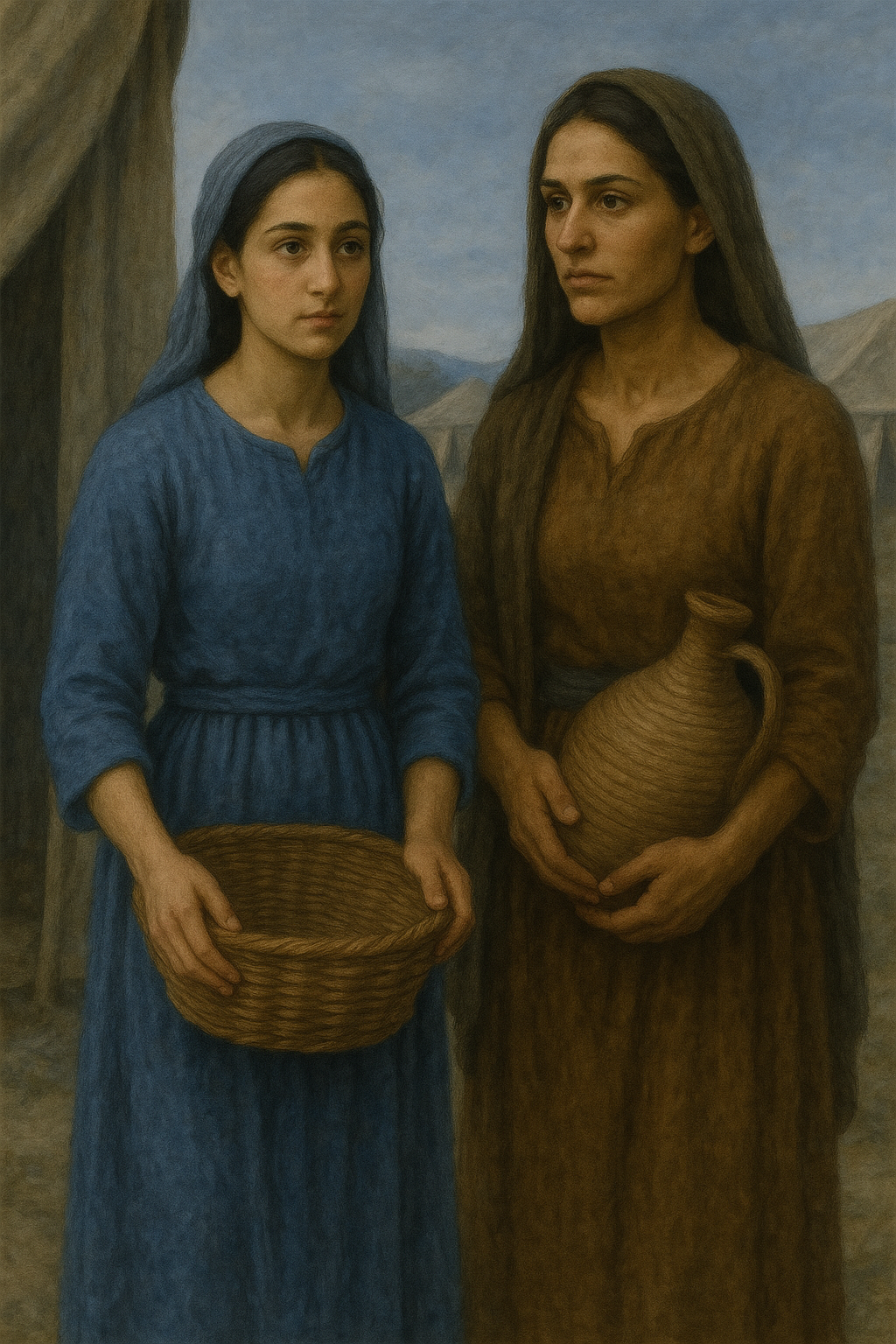
Sons were born to Bilhah and Zilpah. More sons were born to Leah—Issachar and Zebulun—and a daughter, Dinah. Every birth told a story of sorrow, hope, rivalry, and God’s steady involvement.
Then, in a moment of compassion, Scripture says:
“Then God remembered Rachel, and God listened to her and opened her womb.”
— Genesis 30:22
Rachel gave birth to Joseph, the son whose life would one day save Israel during famine. Later, she would give birth to Benjamin, but her death in childbirth would mark one more sorrow in this complicated story.
Through all these emotions—through deception, longing, jealousy, insecurity, and love—God was doing something greater than anyone understood.
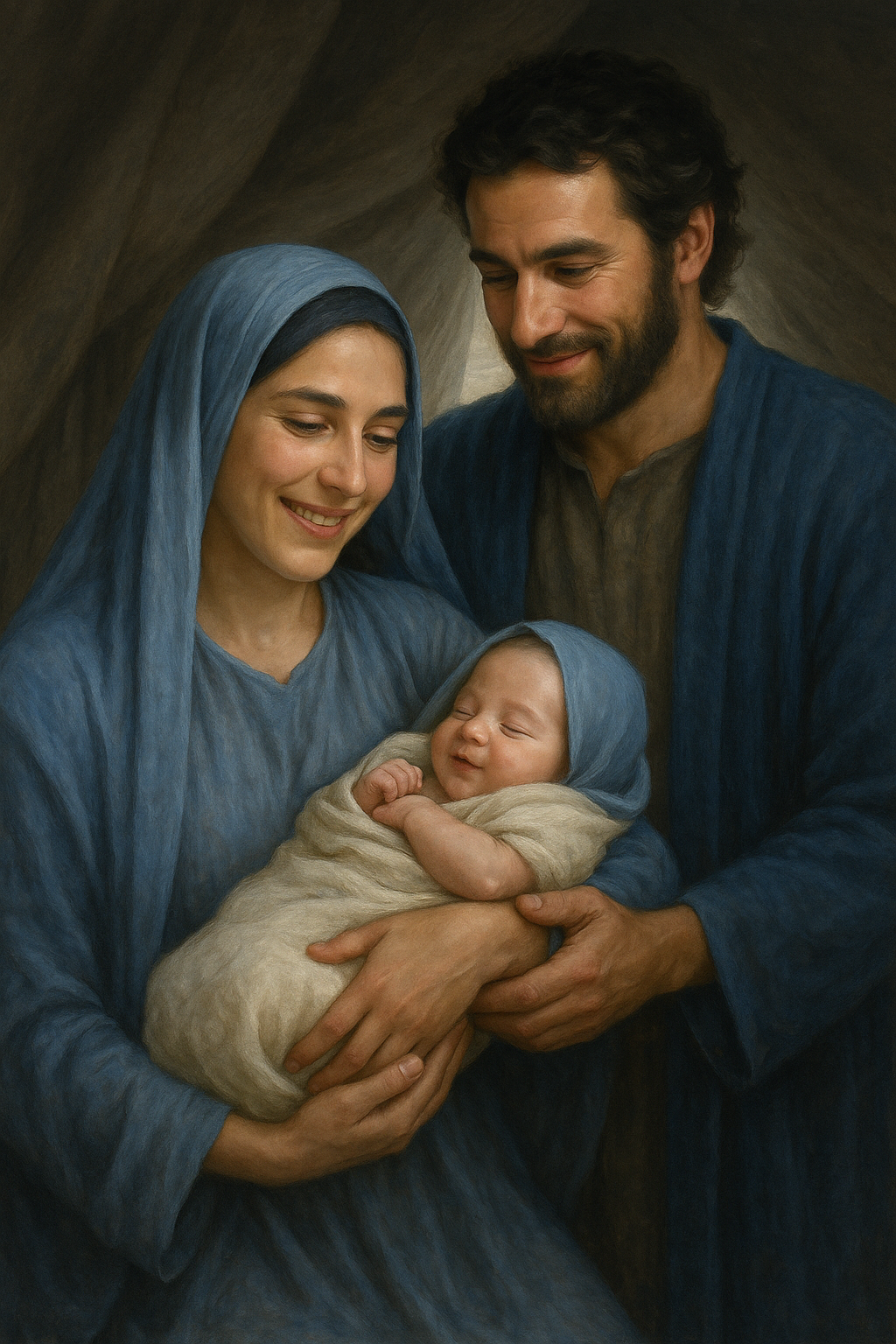
To show God’s grace working through imperfect people. God transformed a dysfunctional family into His covenant people; the twelve tribes originated from this family. None of the twelve sons came from a perfect home or perfect parents. Each child arrived amid tension and tears.
Yet these children became the foundation of God’s promise.
These families became the roots of a nation.
And from Judah, the son born to neglected Leah, would come the Messiah.
Jesus’ family line includes Jacob, Leah, Rachel, and their sons—a family marked by rivalry, deception, heartbreak, and longing. Yet God chose to work through this imperfect household, revealing His heart of grace.
Jesus is the Savior who gathers the unloved, the wounded, the overlooked, and the broken.
He builds a single redeemed family from people who desperately need mercy.
Where human stories collapse under sin, Jesus brings unity, healing, and hope.
He is the One who turns our weaknesses into places of grace.
Teaching Outline — Bible Study Format
I. Jacob Arrives in Haran and Meets Rachel
Genesis 29:1–14
Journey to Haran
The well
First meeting
Family connection
II. Jacob’s Love and the Seven Years of Service
Genesis 29:15–20
Jacob chooses Rachel
Seven years of love
Anticipation of marriage
III. The Wedding Feast and Laban’s Deception
Genesis 29:21–30
The “mishteh” drinking feast
Darkness and veiling
The switch
Jacob’s shock
Jacob reaps what he sowed
Forced plural marriage
IV. God Sees Leah’s Pain
Genesis 29:31–35
“Leah was unloved.”
Reuben, Simeon, Levi, Judah
The longing in each name
V. Rachel’s Longing and the Maidservant Children
Genesis 30:1–13
Rachel’s desperation
Bilhah’s children
Leah’s response
Zilpah’s children
Cultural customs explained
VI. More Sons and God’s Compassion
Genesis 30:14–21
Mandrakes
Issachar and Zebulun
Dinah
VII. God Remembers Rachel
Genesis 30:22–24
Joseph’s birth
God’s mercy and timing
VIII. God’s Purposes in a Broken Household
Deception’s consequences
Human pain and rivalry
God shaping Jacob’s character
God forming the twelve tribes
Grace working through imperfection
IX. Christ in the Story
Matthew 1:1–17
Jesus comes through Judah
Jesus gathers the broken
Redemption from a flawed family line
