
God Hates Divorce — Fighting for Covenant Love
When marriage gets hard, do we see it as disposable or as a covenant worth fighting for?

They were no longer the young couple they once were. Twenty-five years of marriage had etched a deeper tenderness into their smiles and a quiet maturity into their voices. Their daughter was now married and building a home of her own, and their son was away at college, finding his place in the world. After decades of parenting, careers, and ministry, the house that once overflowed with noise and motion had settled into a calm, familiar rhythm — a rhythm that revealed cracks they had never noticed before.
They still sat at the same dinner table, but they spoke less. They still slept in the same bed, yet felt an ache of distance they couldn’t quite name. They still attended the same church every Sunday, but the habit of reaching for each other’s hand during prayer had quietly slipped away. None of it was dramatic. None of it stemmed from betrayal or major failure. It was simply… neglect — a slow leak in the roof of the life they had built together.

When their children were young, life had been full and frantic. There were soccer games, school projects, bedtime prayers, rushed breakfasts, and whispered late-night conversations about the future. But now, in the quiet after all those bustling years, they found themselves startled by how far they had drifted. The wife carried the weight of unspoken disappointments she had pushed aside for years. The husband wrestled with quiet resentment and private uncertainties he didn’t know how to voice. Old misunderstandings resurfaced, old wounds reopened, and long-buried hurts felt newly sharp.
One night, after an especially difficult week, the wife whispered into the darkness, “Is this all that’s left of us?” Her husband, lying beside her but feeling miles away, wondered silently if this growing distance marked the beginning of the end.
Their story could have ended there. Many do. In a culture where marriages are often discarded like broken furniture, the temptation to walk away was real. Well-meaning friends offered quick, comfortable advice: “You don’t have to deal with this.” “People change.” “If you’re unhappy, you deserve better.” But covenant love is different. Covenant love asks deeper questions. It remembers promises spoken before God — not as chains that restrict, but as anchors that hold when storms come.
Years earlier, before their children were born, they had purchased a beautiful old house with strong bones but a neglected roof. At first, there were only a few tiny leaks. Nothing urgent. Nothing dramatic. But over time, moisture settled into hidden spaces, creating mold, rot, and slowly weakening beams. When they showed friends the growing damage, the advice was predictable: “It’s too much work.” “Just tear it down.” “You’d be better off starting over.” But they didn’t. Instead, they rebuilt the roof piece by piece, season by season. It took patience, sacrifice, and effort, but the result was worth it. Decades later, that home became the joyful gathering place for their extended family — warm, safe, restored, and deeply loved.
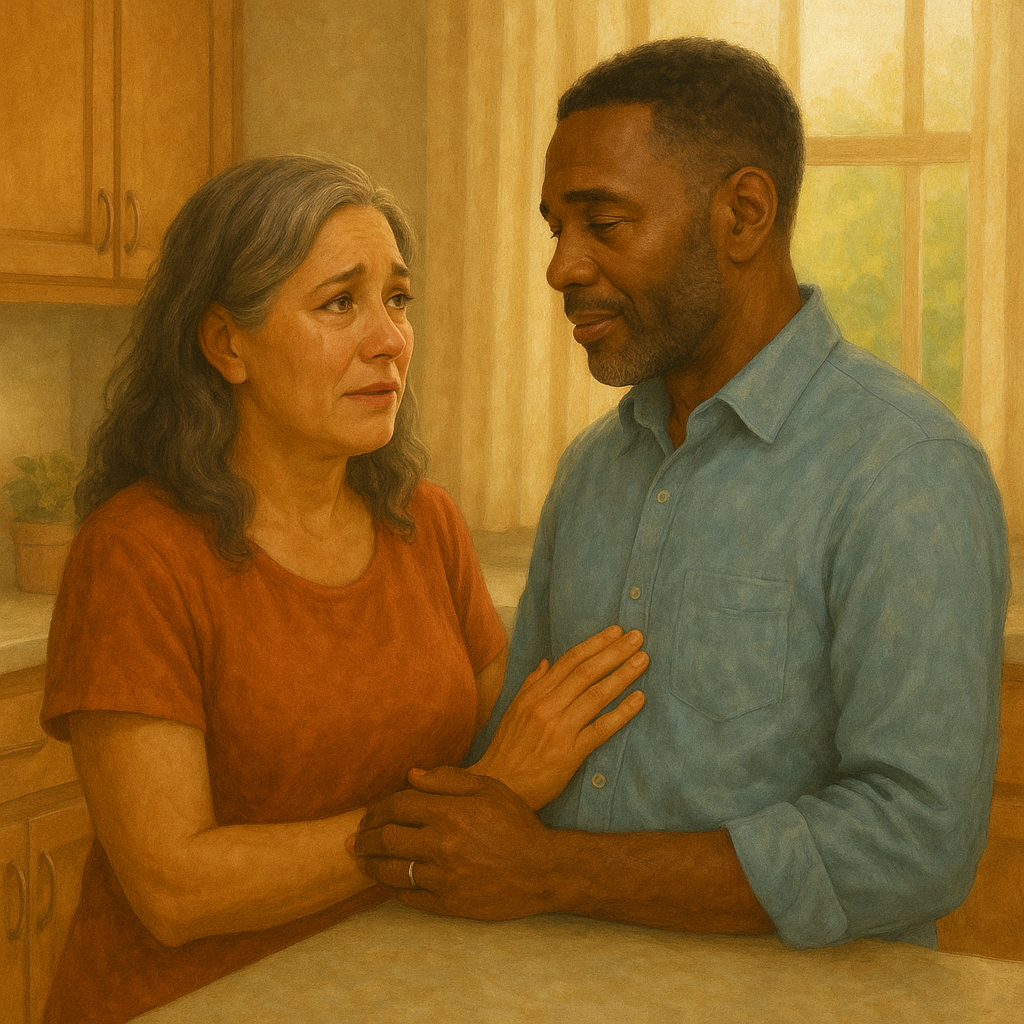
One afternoon, many years after that renovation, the wife stood in their kitchen and looked at her husband with tearful honesty. “Our marriage is like that roof,” she said. “We’ve ignored too much for too long. But maybe… maybe we can still fix it.” Something in him softened at her words. For the first time in years, the quiet, steady man she married resurfaced. Her courage stirred something hopeful in him, and the distance between them began, slowly, to close. And so, like before, they began again.
Divorce is painfully common, even among believers. People justify it with phrases such as, “We fell out of love,” “We’re just not compatible,” or “I deserve to be happy.” But Scripture paints a different picture. Marriage is not a contract that can be dissolved when expectations go unmet. Marriage is a covenant — a sacred, binding promise sealed before God. A covenant weathers storms. A covenant endures disappointment. A covenant reflects God’s faithful, steadfast love, which never abandons His people.
In Malachi 2:16, God says, “I hate divorce,” not because He hates divorced people, but because He hates the pain, violence, and relational tearing that divorce represents. God hates divorce for the same reason He hates cancer, abuse, betrayal, and sin — because these things break His children.
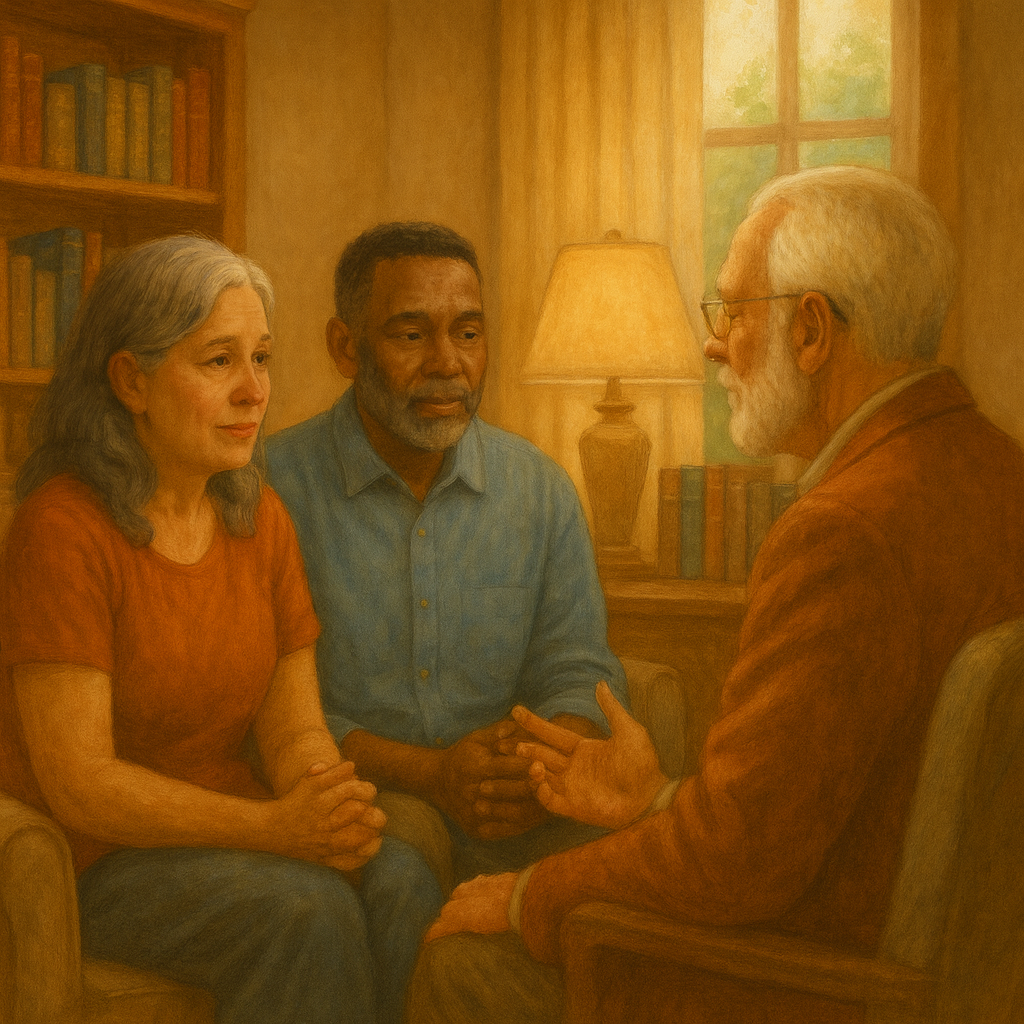
For this couple, rebuilding their marriage required small but deliberate steps. They met with a Christian counselor who helped them hear each other again with grace and humility. They prayed together — not with dramatic emotion, but with honest, slow-returning trust. They began carving out intentional time for date nights, walks, and dinners without screens. They practiced confession, owning habits, pride, and patterns that had wounded each other. And they practiced forgiveness — not forgetting or excusing the past, but releasing it together, a little at a time.
None of it was easy. All of it was worth it.
Months later, when their daughter visited with her husband, she smiled and said, “Mom, Dad… you seem closer than ever.” Their eyes met across the room, not because everything was perfect, but because everything was finally healing.

Ephesians 5 describes marriage as a reflection of Christ and His Church. Christ does not abandon His people when they falter. He restores, He forgives, He sanctifies, and He holds them close. When we choose to fight for our marriages — with humility, repentance, and grace — we mirror His covenant love to a watching world.
There are many ways to strengthen a covenant:
Invest in Small Things: laughter, shared meals, gentle affection, and simple kindness.
Seek Help Early: invite wise counselors, pastors, and mentors into your struggles.
Practice Forgiveness Daily: not as denial, but as the sincere releasing of hurts.
Remember the Covenant: your vows were not mere words — they were spiritual glue.
What minor repair could you begin today that might strengthen the covenant love God entrusted to you?
Covenant love never demands enduring harm. Malachi 2 teaches that God hates both divorce and the violence that breaks marriages apart. If your marriage is marked by abuse, coercion, fear, or danger, please seek safety and pastoral guidance. God’s covenant never calls anyone to remain where sin is destroying the soul or endangering the body. There is a difference between a difficult marriage and a destructive one, and God cares deeply about the safety of His children.
Bible Study: Fighting for Covenant Love
A Scriptural Guide to Restoration, Perseverance, and Wise Discernment
Icebreaker Question:
I. Opening Reflection
Have you ever gone through a season where a relationship drifted, not through conflict, but through neglect? What helped you recognize the drift?
Group Reflection:
In marriage, drift is rarely loud. More often, it is quiet, subtle, and easy to ignore — until distance becomes painful.
II. What Is a Covenant Marriage?
A. Covenant vs. Contract
A contract is built on performance; a covenant is built on promise.
A contract can be voided when expectations fail; a covenant endures through hardship.
B. God’s Design for Covenant Love
“I hate divorce,” says the Lord… — Malachi 2:16 (NIV)
Key Insight:
God does not hate divorced people.
He hates the violence, betrayal, and heartbreak that divorce represents — because these things wound His children.
Discussion:
How does understanding covenant change the way we view marriage commitment?
Why do you think God uses marriage as an image of His relationship with His people?
III. Recognizing the Signs of Neglect
Every marriage experiences seasons of strain, but ignoring small fractures can lead to deeper wounds.
A. Signs of Emotional Drift
Withdrawing from conversation
Avoiding shared time
Pressure from life transitions (empty nest, career changes, health issues)
B. The Danger of Unspoken Hurts
Lingering disappointments can turn into quiet resentment if not addressed with grace.
Scripture Reflection:
“Be completely humble and gentle; be patient, bearing with one another in love.”
— Ephesians 4:2 (NIV)
IV. Repairing What’s Been Neglected
A. Honest Conversation
Like the couple in the story, healing begins when one spouse bravely says, “We’ve ignored too much for too long.”
B. Small, Intentional Steps
Counseling
Inviting godly mentors to help restore communication.Prayer
Not dramatic — just faithful, honest conversation with God together.Intentional Time
Walking, talking, eating together without distractions.Confession
Naming what we need to change, with humility.Forgiveness
Not excusing hurt, but releasing it into God’s hands.
Scripture Reflection:
“Carry each other’s burdens, and in this way you will fulfill the law of Christ.”
— Galatians 6:2 (NIV)
Discussion:
Which of these steps is hardest for you personally — and why?
V. Why Fighting for Marriage Matters
A. Reflecting Christ’s Love
Marriage points to Jesus’ faithful love for His Church.
“Husbands, love your wives, just as Christ loved the church and gave himself up for her.”
— Ephesians 5:25 (NIV)
B. The Spiritual Significance of Perseverance
Christ restores, forgives, sanctifies, and holds His people fast — and marriage mirrors this steadfastness.
C. Hope for Renewal
Even deeply strained marriages can be renewed when both spouses commit to restoration.
Discussion:
What examples of restored marriages have you seen that strengthened your faith?
VI. Gentle Balance: Perseverance vs. Protection
Restoring a struggling marriage requires effort and grace — but enduring harm is never God’s will.
A. God Condemns the Violence That Breaks Covenant
In the Hebrew text, Malachi 2:16 rebukes husbands who “cover their garments with violence.”
B. Staying in Danger Is Not Biblical Faithfulness
Fear, coercion, and abuse are not “marital problems”; they are sin problems.
Scripture Reflection:
“The Lord is a refuge for the oppressed, a stronghold in times of trouble.”
— Psalm 9:9 (NIV)
Discussion:
How can the church better support couples while also protecting those experiencing harm?
VII. Reflection & Application
Where have small leaks appeared in my own marriage — and what simple repair could I begin today?
