
Haggai —
Putting God First
"Think carefully about your ways."
— Haggai 1:7 (CSB)
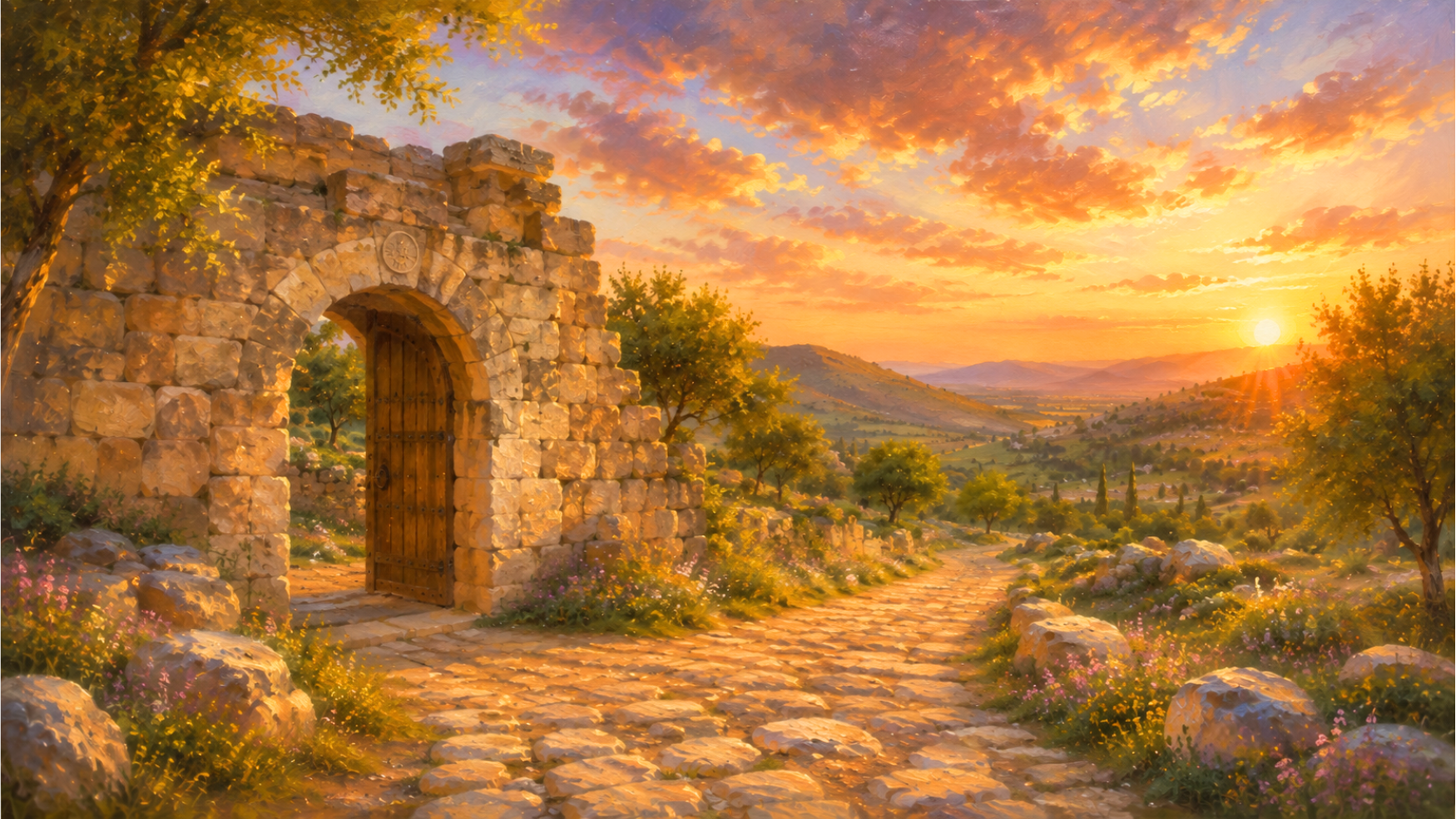
After many years in exile, God's people returned to Jerusalem with the opportunity to rebuild the temple. They began the work with enthusiasm, but opposition and discouragement caused the project to stop. As the years passed, the people devoted their attention to building comfortable homes for themselves while God's house remained unfinished.
Through the prophet Haggai, the Lord challenged His people to examine their priorities. He urged them to "think carefully about your ways" and reminded them that true blessing comes from putting God first.
The people responded with obedience and renewed the work of rebuilding the temple. God encouraged them by promising that He was with them and that His purposes would be fulfilled, even though the new temple seemed less impressive than Solomon's.
Haggai closes with a promise that God would continue unfolding His plan through His chosen servant, pointing forward to the coming King.
Haggai reminds us that it is easy for good things to crowd out the most important thing.
Work, family, responsibilities, and daily concerns all have their place, but they should never replace wholehearted devotion to God. Haggai invites us to pause, examine our priorities, and ask whether we are giving the Lord first place in our lives.
The book also reminds us that God delights in willing obedience. When the people responded to His call, He assured them with these simple words:
"I am with you." (Haggai 1:13)
God's presence was their greatest encouragement, and it remains ours today.
Haggai encouraged God's people to rebuild the temple, the place where God's presence was symbolized among His people.
Jesus revealed that He is the fulfillment of everything the temple represented.
Speaking of His own body, Jesus said:
"Destroy this temple, and I will raise it up in three days."
— John 2:19 (CSB)
Through His death and resurrection, Jesus became the meeting place between God and humanity. Those who belong to Christ are now described as God's temple because His Spirit dwells within them (1 Corinthians 3:16).
Haggai also promised that God would one day shake the nations (Haggai 2:6–7). The writer of Hebrews quotes this passage (Hebrews 12:26–28) to point believers toward God's unshakable Kingdom established through Christ.
Haggai has been treasured by God's people since ancient times as one of the Twelve Minor Prophets. His prophecies are carefully dated and closely connected to the rebuilding of the Second Temple, making the book an important part of Israel's history after the exile.
Both Jewish and Christian communities recognized Haggai as inspired Scripture because it faithfully called God's people to renewed obedience and pointed forward to God's enduring kingdom through the coming Messiah.
Haggai reminds us that God deserves first place in our lives. When we become distracted by our own plans and concerns, He gently calls us to return our attention to Him. The Lord does not ask for perfect people; He asks for willing hearts that trust His presence and obey His voice. Haggai assures us that when God is at the center of our lives, we can move forward with confidence because He is with us.
Haggai's Place in God's Plan
Creation → Fall → Covenant → Christ → Grace → New Heaven & Earth
Haggai at a Glance
Author: Haggai.
Purpose: To encourage God's people to rebuild the temple by putting Him first and trusting His promises.
Date Written: 520 BC.
Historical Setting: Jerusalem after the return from Babylonian exile during the reign of the Persian king Darius I.
Original Audience: The Jewish exiles who had returned to Judah.
Original Language: Hebrew
Literary Style: Prophecy and historical narrative.
Chapters: 2
Key People: Haggai, Zerubbabel, Joshua the high priest, Governor Darius I.
Key Places: Jerusalem, the temple.
Earliest Biblical Manuscripts: Portions of Haggai are preserved among the Dead Sea Scrolls as part of the Book of the Twelve (2nd century BC–1st century AD). The oldest nearly complete Hebrew text is found in the Leningrad Codex (AD 1008), with ancient translations preserved in the Greek Septuagint.
